
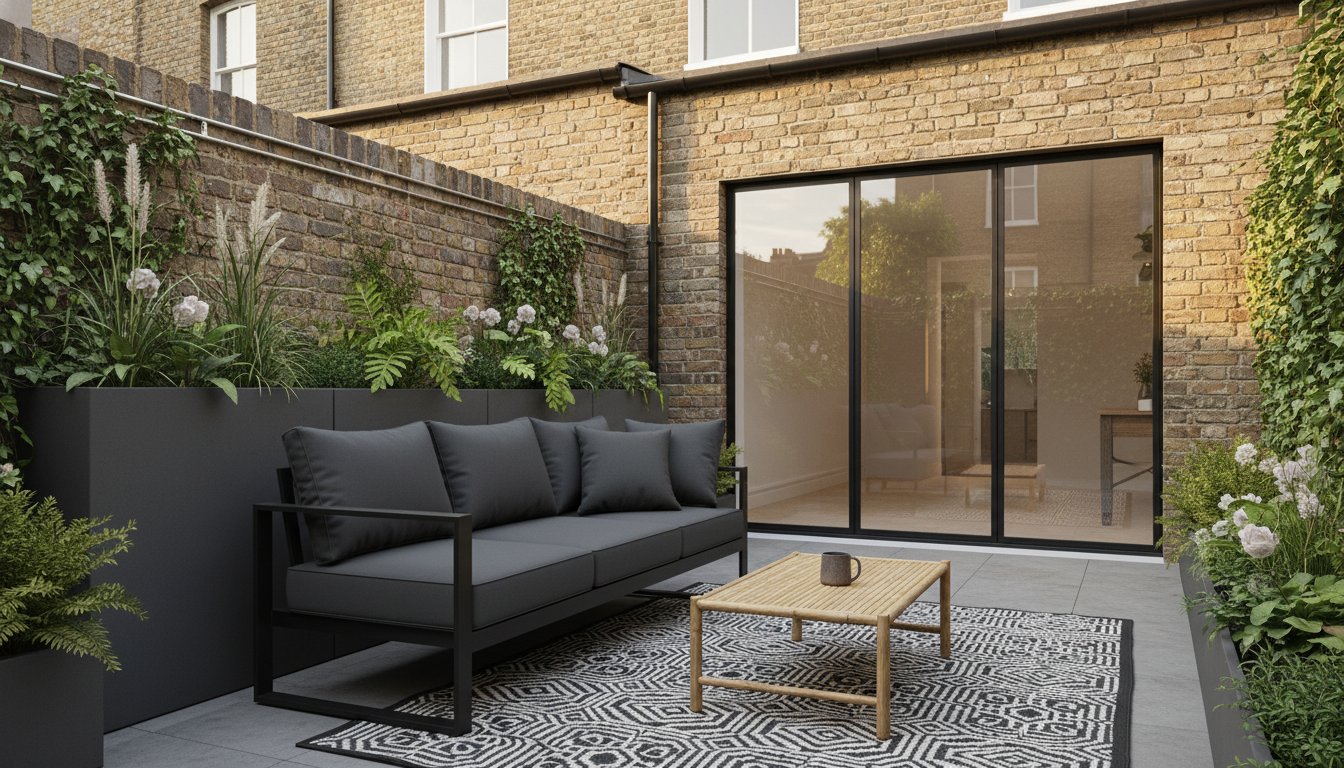
UK households spent £13.2 billion on garden goods in 2023, yet many homeowners still struggle to create a space that feels personal. It's frustrating when you want a unique garden but only find the same mass-produced items at every big-box retailer. You need furniture that survives the British rain. You need plants that don't give up at the first sign of a frost.
We know that finding high-quality, durable pieces for a small urban patio or a large lawn is a challenge. This guide shows you how to design and maintain your ideal outdoor room using practical advice and unique finds from independent UK sellers. You'll discover how to support local businesses while creating a functional retreat that adds real value to your home.
We'll cover 2026 furniture trends like rust-resistant aluminum and sustainable bamboo. You'll also learn about essential rules, such as the £103 Lawful Development Certificate for garden rooms, and which climate-resilient plants work best for your plot. Get ready to transform your outdoor space into a stylish, low-maintenance sanctuary.
Key Takeaways
- Turn your outdoor area into a stylish "outdoor room" that blends interior comfort with local rewilding trends.
- Choose durable, weather-ready furniture and materials designed specifically for the unpredictable British climate.
- Follow our seasonal maintenance checklist and learn why soil pH testing is the first step to a thriving garden.
- Unlock the potential of small urban courtyards with vertical planting and flexible container gardening solutions.
- Access unique, high-quality inventory by sourcing directly from independent UK businesses through a modular marketplace.
Understanding the Modern British Garden in 2026
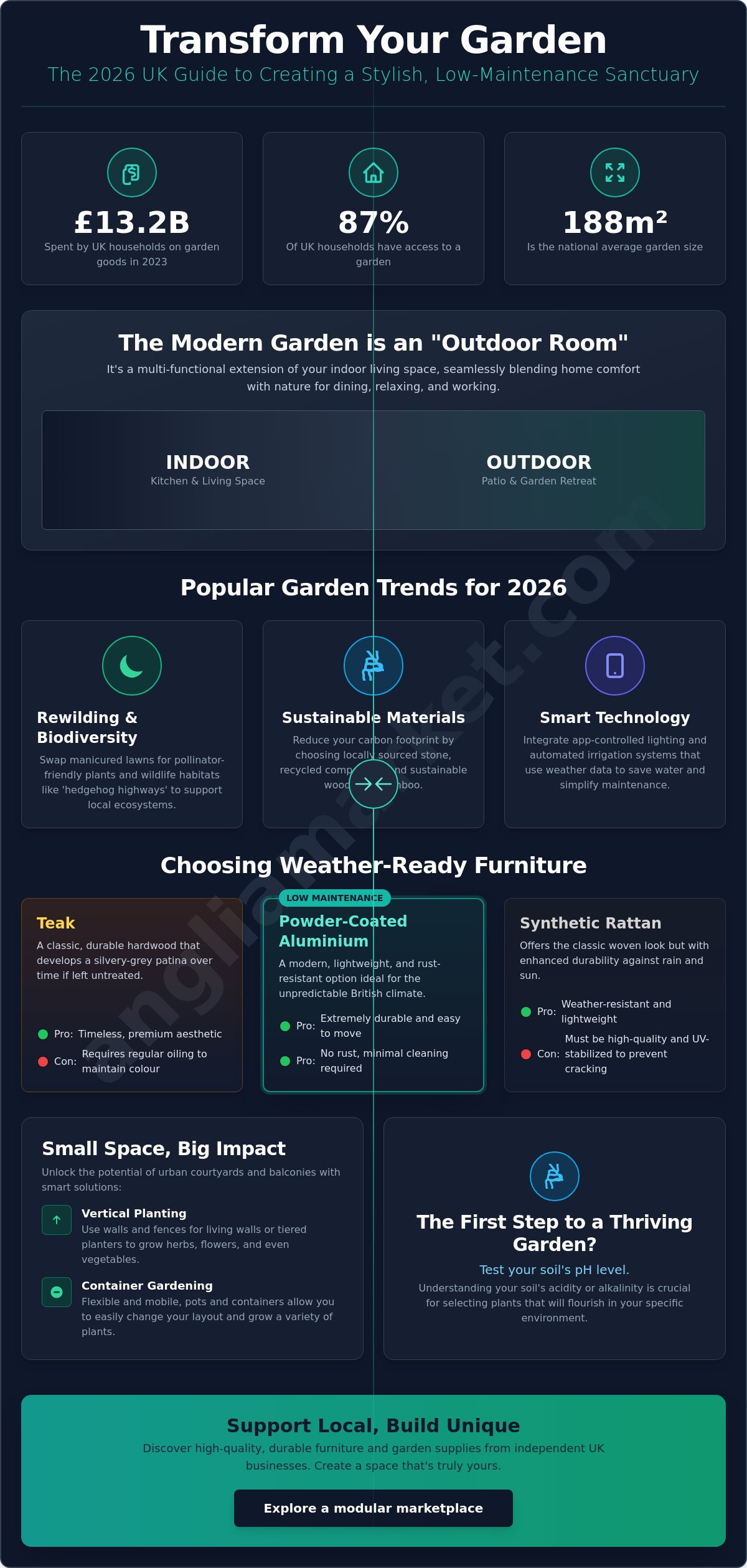
The modern British garden is no longer just a patch of grass. It's a multi-functional "outdoor room" that acts as a direct extension of our indoor living spaces. With 87% of UK households having access to a garden, the way we use these 188m² (the national average) has shifted. Homeowners now view their outdoor plots as essential square footage for dining, relaxing, and even working. In 2026, the focus is on creating a seamless flow between the kitchen and the patio, ensuring your home feels larger and more connected to nature.
This year, we see a massive move toward biodiversity. The trend of "rewilding" residential plots is replacing perfectly manicured lawns with pollinator-friendly borders and dense foliage. Whether you prefer the romantic chaos of a British Cottage style, the drought-tolerant textures of a Mediterranean layout, or the clean lines of a Minimalist design, the goal remains the same: a functional, beautiful retreat. It's about balancing aesthetic appeal with ecological responsibility.
The Evolution of Outdoor Spaces
Historically, outdoor areas were purely functional vegetable plots or formal displays. Today, they are aesthetic relaxation zones. This shift is partly driven by the rise of the "outdoor office." As remote work remains a staple of UK life, garden buildings have become vital. Understanding the principles of garden design helps balance these new structures with the surrounding flora. Climate shifts are also changing our plant choices. Gardeners are increasingly opting for resilient species that can handle wetter winters and hotter, drier summers without constant intervention. It's a practical response to a changing environment.
Popular Garden Trends for 2026
Sustainability and technology are the twin pillars of modern design. Homeowners are choosing recycled composites and locally sourced stone over imported materials to reduce their carbon footprint. Wildlife-friendly features are also standard. You'll find "hedgehog highways" in fences and specialized nesting boxes integrated into modern landscaping. These features support local ecosystems while adding unique character to the plot.
Smart technology has finally moved outdoors. Automated irrigation systems now use local weather data to save water, while app-controlled lighting allows you to change the ambiance of your garden from your phone. These tools make maintenance easier for the younger demographic of homeowners (aged 25-34) who are expected to spend an average of £1,352 on their outdoor projects this year. If you're looking to upgrade your space, explore the latest home and garden supplies from independent UK sellers to find unique, durable items that fit these 2026 trends.
Essential Components for a Functional Garden
A successful garden isn't just a collection of plants. It's a calculated balance between softscaping and hardscaping. Hardscaping provides the structure, such as patios, paths, and decking, while softscaping brings life and color through flowers and shrubs. Following RHS garden design advice, you should aim for a layout that prioritizes flow and usability. This structural foundation ensures your outdoor space remains accessible and attractive even in the depths of winter.
Zoning is the secret to a functional layout. By creating distinct areas for dining and relaxation, you maximize every square meter. Use physical markers like pergolas, trellis panels, or even different flooring textures to separate a lively BBQ zone from a quiet reading nook. To extend your time outdoors, integrate weather-resistant lighting and heating. Fire pits or sleek infrared heaters keep the space usable during chilly UK evenings. Strategically placed LED spike lights can highlight architectural plants, making the space feel inviting after dark.
Choosing High-Quality Garden Furniture
Your choice of furniture determines how often you'll actually use the space. In the UK, durability is non-negotiable. Teak offers a classic look but requires regular oiling to maintain its honey hue. For a modern, low-maintenance alternative, powder-coated aluminium is rust-resistant and lightweight, making it easy to move. High-quality synthetic rattan is another staple, provided it's UV-stabilized to prevent cracking in the sun. Buying from independent UK vendors is often the best way to find pieces that aren't available in every high-street store. You can explore our range of quality garden furniture to find unique designs that stand up to the elements and provide lasting value.
Outdoor Décor and Accents
Small details make a big impact on the overall feel of your garden. Outdoor mirrors are a clever trick for urban environments; they reflect light and create the illusion of a much larger plot. Water features add a sensory layer, masking traffic noise with the sound of trickling water. When selecting pots and planters, match the materials to your home's architecture. Terracotta works well for traditional cottage styles, while sleek concrete or metal pots suit contemporary builds. Selecting the right accents allows you to personalize the space without a full renovation. If you're looking for a bargain on these finishing touches, keep an eye on our sale section for seasonal décor updates.
Seasonal Maintenance and Planting Strategies
Success in the garden depends on timing and preparation. A month-by-month approach ensures your outdoor space remains healthy and functional throughout the year. The first step for any UK gardener should be testing soil pH. This simple task determines which plants will thrive in your specific plot, saving you money on specimens that might otherwise struggle. Whether your soil is acidic or alkaline, knowing its composition allows you to tailor your nutrient feeds and mulch applications effectively.
Water management is another priority for 2026. With unpredictable weather patterns, rainwater harvesting is no longer optional. Installing a water butt is a cost-effective way to collect soft rainwater, which is better for your plants than treated tap water. For larger plots, consider efficient irrigation systems like porous hoses or automated timers. These tools deliver water directly to the root zone, minimizing evaporation and ensuring your plants stay hydrated during dry spells without inflating your water bill.
Spring and Summer Prep
Early spring is the time for structural maintenance. Follow a strict pruning schedule; cut back summer-flowering shrubs like Buddleja and Lavatera in March to encourage vigorous new growth. Your lawn also needs attention after the winter damp. Scarifying removes dead moss and thatch, while aerating improves drainage and oxygen flow to the roots. Finish with a high-nitrogen feed to kickstart growth. As the weather warms, focus on your social zones. Clean your BBQ and inspect outdoor kitchen components early in the season so you're ready for the first sunny weekend.
Autumn and Winter Care
Preparation for the colder months begins in September. This is the ideal window for planting spring bulbs like daffodils, tulips, and crocuses. Group them in containers or borders for a concentrated burst of early-year colour. Protecting your investments is just as important as planting. Apply wood treatments to fences, pergolas, and timber furniture before the wet season sets in to prevent rot and silvering. Winter-proofing also involves lifting sensitive perennials or wrapping them in horticultural fleece to survive hard frosts.
Don't neglect your equipment during the off-season. Cleaning and sharpening your home and garden tools is vital for their longevity. Applying a light coat of oil to metal blades prevents rust, while checking handles for cracks ensures user safety. Proper tool care means you won't have to replace expensive kit every spring. If you need new supplies or maintenance products, browsing independent UK sellers on a marketplace often reveals durable, professional-grade items that outlast standard retail options.
Designing for Small Spaces and Urban Living
Designing an urban garden means working smarter with the square footage you have. Every centimeter counts when you're dealing with a balcony or a small courtyard. The most effective strategy is to use your vertical space. Living walls and trellis systems turn bare fences into lush backdrops, drawing the eye upward and making the area feel larger than it is. In 2026, modularity is the standard for small-space success. Folding bistro sets and stackable chairs allow you to clear the patio for different activities, ensuring your outdoor zone remains multi-functional.
Container gardening offers the ultimate flexibility for city dwellers. You can move pots to follow the sun or hide plants that are past their best. Success depends on choosing "hero" plants that provide interest across all four seasons. For example, Sarcococca confusa (Christmas Box) offers glossy evergreen leaves and a powerful winter scent, while Heucheras provide vibrant foliage year-round. Your colour palette also plays a role in the perception of space. Cool tones like whites, pale blues, and silver foliage make a small area feel airy and expansive.
Vertical Gardening Techniques
Wall-mounted planters and pocket gardens are ideal for narrow side returns or small patios. These systems allow you to grow a variety of species without sacrificing floor space. Best climbing plants for UK walls include Clematis for summer colour, Jasmine for fragrance, and Ivy for year-round green coverage. If you have a kitchen door nearby, install sturdy shelving for a vertical herb garden. It keeps fresh ingredients within reach while adding a decorative element to your home's exterior.
Balcony and Patio Essentials
Balcony owners must prioritize weight considerations. Opt for lightweight composite or plastic planters instead of heavy stone or ceramic versions to avoid exceeding structural limits. Privacy is another common concern in the heart of the city. Use bamboo or tall ornamental grasses like Miscanthus to create a "green sanctuary" that blocks out neighbours and reduces street noise. These natural screens feel less restrictive than solid fences and move gently in the breeze. You can find a variety of space-saving solutions in our garden furniture collection, featuring compact sets specifically designed for urban living.
Sourcing Quality Garden Supplies from UK Independent Sellers
Buying for your garden shouldn't mean settling for the same three styles found in every high-street chain. A marketplace model offers distinct advantages for the modern homeowner. You get access to a massive diversity of products, from rare specimen plants to bespoke seating. Price competition between independent sellers keeps costs down. Most importantly, you find unique inventory that reflects your personal style rather than a mass-produced catalogue. Anglia Market acts as a helpful facilitator, connecting you directly with small and medium-sized UK businesses. This approach ensures you aren't just a number in a database but a customer supporting a real entrepreneur.
Safety is a priority when ordering large outdoor items online. Secure transactional platforms protect your data and provide peace of mind. Reliable delivery networks ensure that bulky furniture or fragile ceramics arrive at your door without the stress of complex logistics. By shopping this way, you gain the variety of a global store with the security of a local transaction. It's the most efficient way to furnish your outdoor space while ensuring high standards of quality and service.
Supporting the UK Economy Through Local Vendors
Supporting the UK economy is a core benefit of the marketplace model. Sourcing from UK-based vendors significantly reduces carbon footprints by cutting down on international shipping distances. You'll discover handcrafted garden art and bespoke furniture that mass retailers simply can't stock. Smaller sellers also offer a personal touch. They know their products inside out and provide better customer service than large, faceless corporations. It's a practical choice for those who value craftsmanship and sustainability.
Getting the Best Value on Your Garden Projects
You don't have to overspend to get a designer look for your patio. Use Anglia Market promotions to find discounts on big-ticket items like sofa sets or pergolas. For long-term savings, joining the loyalty program is a smart move. You earn rewards on every purchase, making future maintenance and planting projects more affordable. If you're unsure about a new supplier, check the testimonials. Real user feedback helps you identify the most reliable suppliers for your next project. This transparent system builds trust and ensures you get the best value for your money every time you shop.
Transform Your Outdoor Space Today
Creating a functional and beautiful garden is about more than just aesthetics; it's about building a durable extension of your home. By focusing on multi-functional zoning and selecting weather-resistant materials like powder-coated aluminium, you'll ensure your investment lasts for years. Prioritizing soil health and vertical space will help you make the most of every square meter, regardless of your plot's size. Supporting local businesses while finding unique, high-quality items has never been simpler.
We're here to help you find those perfect finishing touches. Our platform supports over 1,000 independent UK SMEs. This gives you access to a massive variety of goods you won't find in big-box retailers. Shop with total peace of mind through our secure transactional platform with full buyer protection. You'll even earn rewards on every purchase via our Loyalty Program, making it easier to maintain your space year-round.
Browse the Latest Garden Collections from Independent UK Sellers on Anglia Market
Your ideal British retreat is just a few clicks away. Start your transformation today and enjoy a space that truly reflects your style.
Frequently Asked Questions
How do I start a garden from scratch in the UK?
Begin by clearing your site and testing your soil pH to determine which plant species will thrive in your specific conditions. Map out where the sun hits at different times of day to decide on the best positions for seating and planting zones. Focus on building a solid structural foundation with paths or a patio before adding your softscaping elements. This logical approach prevents expensive mistakes and ensures your garden is functional from day one.
What are the best low-maintenance plants for a British garden?
Choose hardy shrubs like Lavandula (Lavender), Hebe, and Choisya that require very little pruning or specialized care. Ornamental grasses like Carex or Festuca provide excellent year-round texture and interest with minimal effort. These species are well-suited to the unpredictable UK climate and don't need constant feeding or watering once they're established in your borders.
How can I make my garden more eco-friendly and sustainable?
Install a water butt to harvest rainwater and set up a compost heap to recycle your organic kitchen and green waste. Choose native plants that support local pollinators, such as Foxgloves, Buddleja, or single-flowered roses. Using recycled materials for your paths and furniture also reduces your environmental footprint while creating a unique look for your outdoor space.
What garden furniture is best for small patios or balconies?
Folding bistro sets and modular corner sofas are the most efficient choices for compact urban environments. Look for lightweight, rust-resistant materials like powder-coated aluminium that are easy to move or store when not in use. These versatile pieces allow you to reconfigure your garden layout for dining or lounging depending on your needs for the day.
How often should I water my garden during a UK summer?
Water your plants deeply once or twice a week rather than giving them a light sprinkle every day. This method encourages roots to grow deeper into the soil, which makes your plants much more drought-resistant during heatwaves. Always check the soil moisture levels by sticking a finger an inch into the ground before watering to avoid over-saturating the roots.
Where can I find unique garden décor that isn’t in mainstream shops?
Online marketplaces that host independent UK sellers are the best source for one-off decorative items. You'll find handcrafted sculptures, bespoke planters, and unique furniture pieces that aren't available in mass-market retail chains. This approach supports local small businesses while ensuring your outdoor space has a distinct personality that reflects your own style.
Is it better to plant in the spring or autumn?
Autumn is generally the best time to plant perennials, trees, and shrubs because the soil is still warm from summer but moisture levels are higher. This allows roots to establish themselves before the winter dormancy period begins. Spring is the better choice for tender plants, summer-flowering bulbs, and vegetables that require consistent warmth to germinate and grow quickly.
How do I protect my garden furniture during the winter months?
Clean your furniture thoroughly to remove dirt and use high-quality, breathable covers to prevent moisture buildup and mould. Store all cushions and fabric elements in a dry, indoor space to keep them in top condition. For wooden items, apply a fresh coat of protective oil or sealant before the wet season starts to prevent rot and silvering.

Here to help — ask anything
For questions about this disclaimer or the site, contact us via the website’s Contact page.


